BLOG
Preparing a Horse for Real Life, or, "Everything Is Just the Next Thing"
When I was starting young horses, this was a frequent topic of debate - how do you get a horse used to the real world?
Opinions run everywhere from "acting and riding like you're drunk" to get a horse used to whatever should come their way - to tiptoeing around them.
I had a lot of opinions before watching someone masterful work: I thought horses had to tolerate a lot of things and just get used to it, which involved a lot of repeated exposures to things. What ended up happening often is that fear responses were well ingrained, as their first exposures were fearful, and they did not change their minds with more exposure (Dropping a spider down my shirt repeatedly would not get me over a fear of spiders, but ingrain it deeply.) I worked for a man for a while who would sneak around the corner and throw things into the arena or whip flags unexepctedly at us to see how "bombproof" I was making my colts, and I can tell you with certainty, that did not help me or the horse become more bombproof.
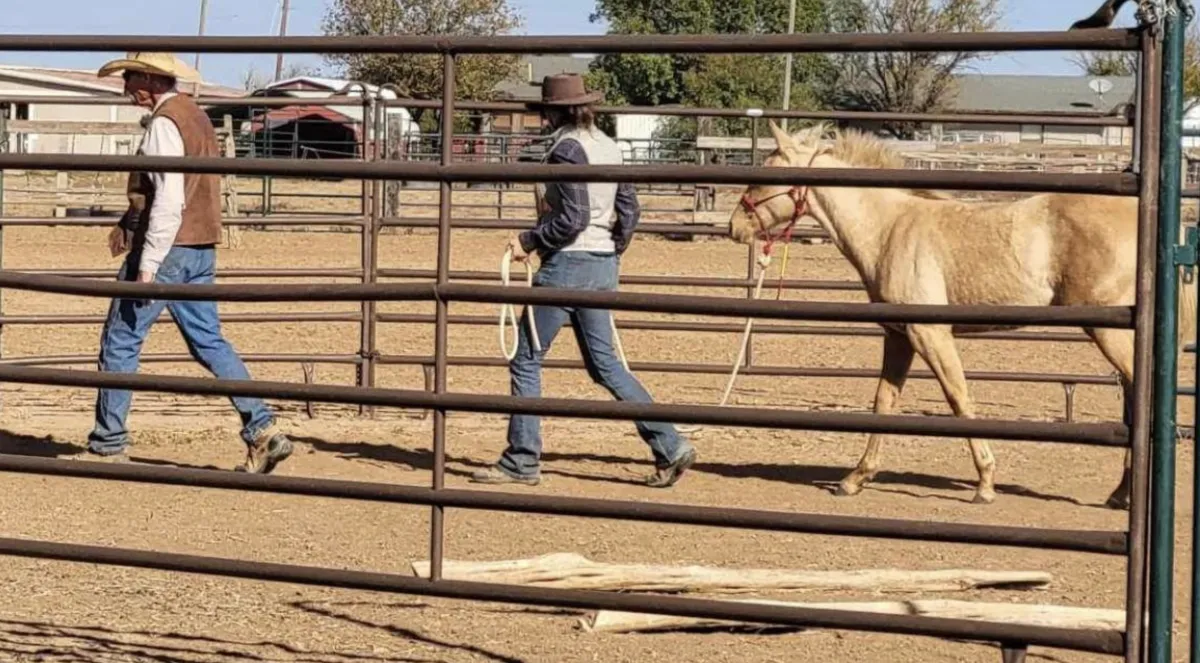
When I started going to Brent Graef Horsemanship's young horse class, I witnessed very careful and logical preparation. Setting these young horses up for success meant a progressive layering of experiences and skills - by the time the horses were expected to do something, it was so obvious and easy they just did it, better than most going horses. And these are untouched young horses with no experience with people previously, with very spicy temperaments generally. By the end of a week of this kind of thoughtful work, they are easy enough to halter by an amateur and lead around calmly outdoors. They can trailer, begin to tie, get a trim, and much more.
How? Nobody here acts like they're drunk - in fact, respect for the horse's fear is very well preserved. Things are presented in a way the horse can understand so that fear is reduced or prevented, and because of this, they don't "practice fear." It would be easy to say they can only handle being managed perfectly, but year after year I have not found this to be true - the unexpected always happens, and these horses are brave, resilient, and confident. There is no whipping flags around or throwing things at them or waving stuff around in their face, and yet these horses go on to become top performers and versatile ranch horses.
So how do you prepare a horse for real life? You don't have to tiptoe or sneak, in fact horses do not find that calming - but handling your gear and your lead line and your reins and your seat with accuracy and good feel actually causes horses to be calmer and more confident. Think about it - imagine you never know what feel to expect, when someone is going to pop around the corner, you never know when a thump or a tug is coming or what it means. Is this thought calming?
Or, if you know your rider is aware, fluid, thinking of you and your surroundings, wouldn't you feel calm, safe, taken care of, and ready to take on the world? This is a very different experience.
We all have our hang ups - some have physical limits, some have less experience than others, and nobody can be perfect - but we can all certainly do our best and bring a good feeling toward the horse.

GIVE YOU AND YOUR HORSE A PATH FOR DEVELOPING QUALITY HORSEMANSHIP.
© 2024 Amy Skinner Horsemanship. All Rights Reserved.