BLOG
Feel and Compulsive Talking
Feel and compulsive talking
Developing feel means adjusting to the needs of the moment. It means being aware and present enough to take in and read the environment, and provide just the right amount of everything: If more energy or less is appropriate, if being still or being active is right, and so on. It gets deeper and deeper until it becomes the difference in the height of one finger or the depth of a breath.
Many of us have a way we “are” and struggle to adjust. I’m quite energetic, and when I was younger especially, I struggled with story telling. The deep seated insecurity drove me to feel the need to feel relevant and important, especially at times when the insecurity felt pressed on: when skill wasn’t present, or when others were quiet, or when I misread a situation. The talking filled a space that was empty for me, that, or freezing.
Luckily, I’ve been on the other end of it and gained better control - as a teacher I’ve been blessed to have students who struggled with compulsive talking. Sometimes it can be hard to even get a word of instruction in, even during important moments, due to compulsive talking and story telling. It’s helped me see it from all angles and understand it better - when do they do it and why? Similar to me, it is most uncontrolled when they feel insecure or worried.
The challenge of working with horses is to not limit ourselves to just “how we are.” If we are energetic, sometimes that’s not appropriate, and we need to learn to be still. If we’re chatty, that can often rob our ability to read a situation because it pulls all our energy back to ourselves.
To learn to dial up, and then back - to not get fixated on just one way of being when the world calls for every option under the sun. We may need to switch within a moments notice and back - and to learn this skill, we have to challenge ourselves to change.
I’ve found it immensely helpful to think of it outside of the window of shame: to look at a flaw as a potential source of growth instead of a weakness. Sometimes our greatest weaknesses can turn into our greatest strengths with practice, but if we feel shame about the “way we are,” and confuse it with WHO we are, we can get stuck.
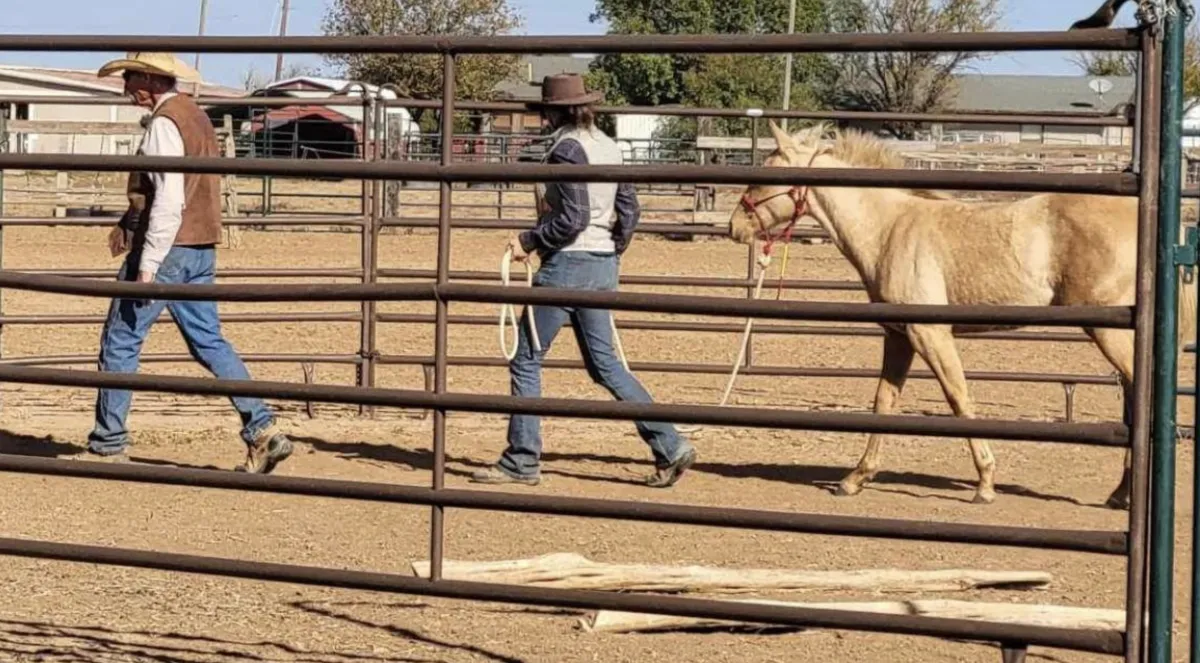
Finding others to emulate in example is invaluable too. Spend time watching them walk, talk, and move. For this to soak in, we have to be quiet.

GIVE YOU AND YOUR HORSE A PATH FOR DEVELOPING QUALITY HORSEMANSHIP.
© 2024 Amy Skinner Horsemanship. All Rights Reserved.