BLOG
You Can't Get Good Without Being Bad First
You can't get good without being bad first
I always kept a journal as a kid. I wrote daily about my feelings and events, and wrote little poems. The desire was there, but obviously inside those journals you'll find no brilliant prose.
In High School, I had a writing teacher who had us do a daily prompt where we had to write for a timed period about anything. I repeatedly got critique back that I was not being honest, was holding back, wasn't really applying myself. One day I got angry at these comments and wrote back exactly how angry she had made me, and how I felt like nobody appreciated my efforts (angsty teenager stuff). She graded my paper back and wrote, "Finally, something honest."
I never forgot that teacher, or that moment. And since then, I have been driven to write from a place of honesty best I could muster. At times it has been scary, revealing, or even dangerous to my reputation when writing about facts that do not validate people's feelings, or events that do not paint certain people in a great light. But when you are driven, you are forced by an internal desire to push on anyway.
If I look back on my old writing, I do not enjoy reading it from a literary perspective. I can see my growth lined out in journals and books and essays - but the writing is not great. Some of it is published and I'd love to take it back - but that's the way developing an art form goes: you have to be bad at first, for a long time, and often in public.
It makes me a little sad to see the prolific use of AI take away our struggle - to present a polished and perfect piece forward without the effort of sorting through who we are and developing over time. Denying ourselves that struggle prevents growth, prevents humility, prevents access to others to see what it really takes to become good.
I believe now we suffer most from an intolerance of failure and struggle - if people don't see that process, they believe very easily there is something wrong with them when they do not immediately succeed. I've mentored a good handful of young trainers who struggle desperately with being criticized, not immediately appreciated, not getting enough work, and so on - and if you don't see anything around you but a polished and curated image, you'd be right to believe the struggle was individual to you.
We have to remember the great artists spent a lifetime perfecting their craft, and were often presenting works of brilliance to a disinterested public. Van Gogh became famous after his passing. Do we really think we are unique in our struggle?
If you want to be good, especially in this time of curated images everywhere that display a pixelated, portioned out, and false ideal - you have to be intensely brave. Finding a mentor in your field of interest who has sorted through the process of failure, rejection, and success alike is essential. And having the backbone to continue to be bad, and not take it personally, will get you far.
The average artist is rejected far more than their successes. As a public, we only remember their successes, but the artist will certainly remember their failures.
I have been rejected by every magazine but one for my articles - and every writer I know has a laundry list of rejection. I have three published books only because I pushed on to self publish. You have to get comfortable within the discomfort, press on, hone your craft, and don't believe the perfection around you, because it is a lie, and a disservice to art.
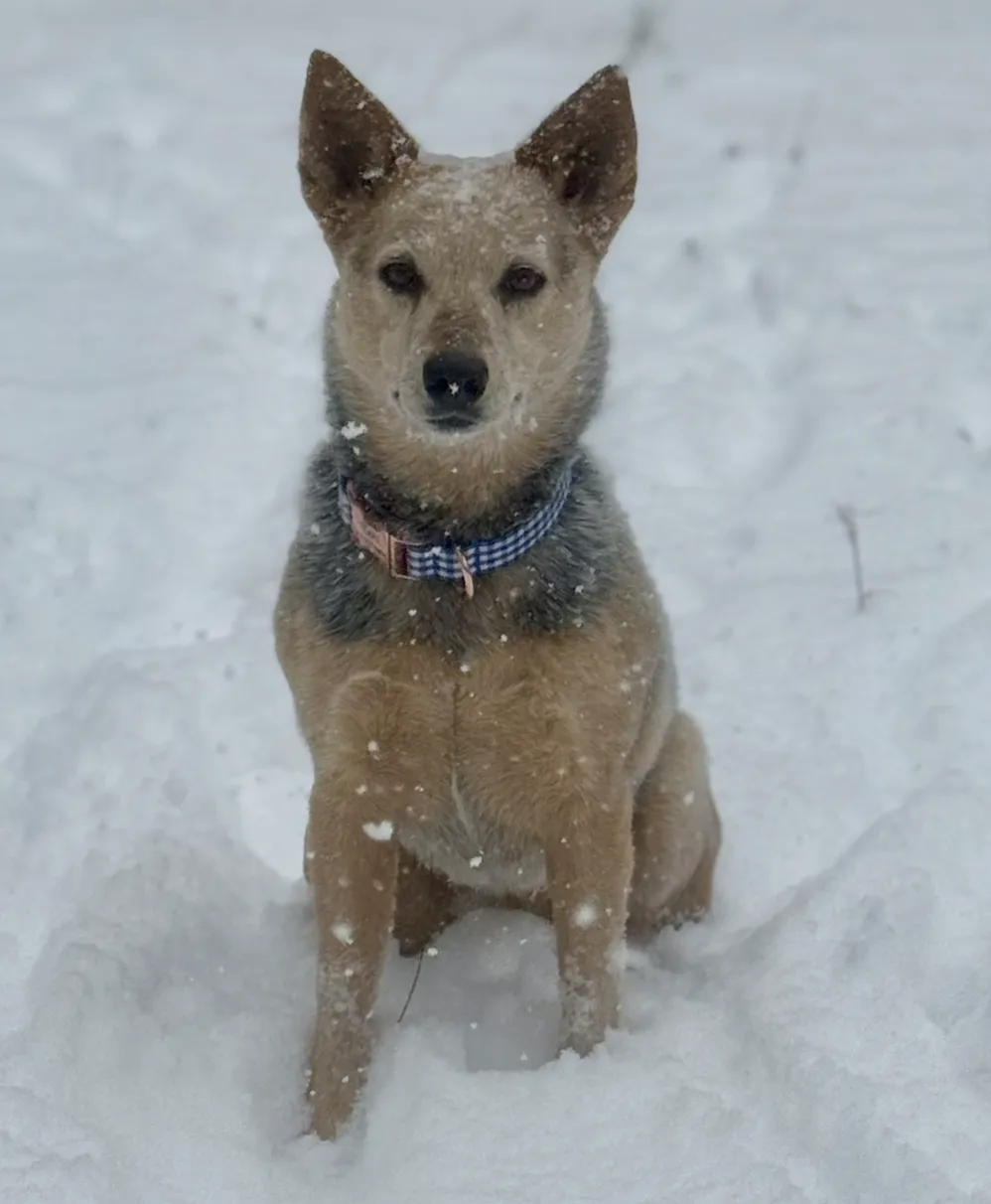
Here's my ten year old Pearly, a picture of perfection, after a long life of debauchery well lived. She knows all my secrets, and thankfully she cannot write.

GIVE YOU AND YOUR HORSE A PATH FOR DEVELOPING QUALITY HORSEMANSHIP.
© 2024 Amy Skinner Horsemanship. All Rights Reserved.