BLOG
Horses That Bite
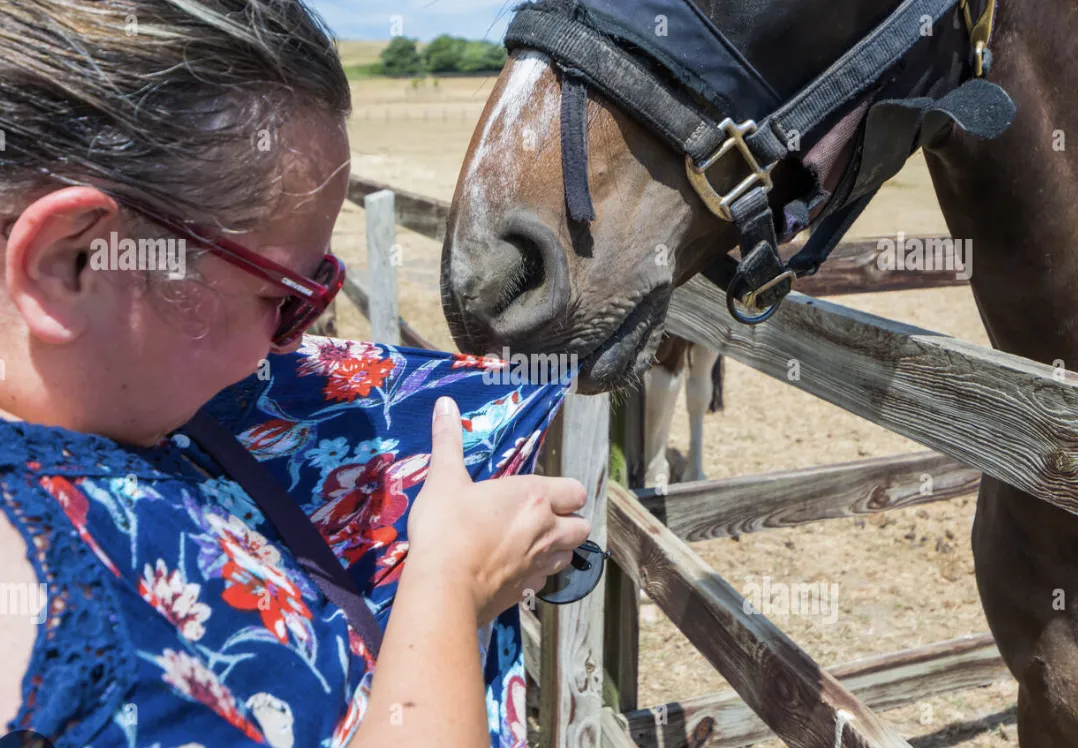
In my career, the amount of horses I’ve encountered that bite has been staggering.
Ranging from chewing and nipping, to outright biting, I would say that it is a large problem. I probably get asked for help with this problem from folks around the world daily.
Where does it come from?
It’s probably a complex problem with no one simple solution, but it’s safe to say it’s human exaggerated to an alarming level.
Some contributing factors-
-Early and stressful weaning
-Under socialization of youngsters via a healthy herd dynamic, with not enough healthy parenting and too much interruption from humans in growing stages
-Prevalence of ulcers and body pain
-Frustration, lack of clarity, messy and unclear communication from people, unclear boundaries, over abundance of humanizing or dog-ifying a horse.
-Youngsters oral stage amplified and prolonged by breeding practices and lifestyle that leads to mental immaturity prolonged
-over handling and teasing of horses lips and mouth, instigating a lipping response as a habit
———
A happy, balanced, well adjusted horse does not nip and does not bite.
This to me is an alarm that things are not going well, and something needs to change.
What’s the fix? It’s complex, and very situation dependent. But if you have nipping and biting, it’s time an overall audit -
Auditing of the horses health and well-being
Posture
Your positioning and habits near the horse (this is usually very hard to break in people because so many of them are so subconscious and constant)
Your clarity of communication
Your awareness of equine behavior and beginning of signaling
And much more
If you have biting, get some help. Ideally you start getting help at nipping. Don’t underestimate this problem. I tell people often, even if its just the horse playfully nipping, consider how heavy and strong the equine head and neck is, and check around with your friends to see if anyone's ever been concussed or knocked out by a neck (even a friendly one) swinging toward them - it's not too pleasant and very preventable.
It can become outright dangerous at the worst case scenario, best case scenario is you are being given a chance to hear your horses communication at a need not being met, either physical or mental, or simply structural.

GIVE YOU AND YOUR HORSE A PATH FOR DEVELOPING QUALITY HORSEMANSHIP.
© 2024 Amy Skinner Horsemanship. All Rights Reserved.