BLOG
Is The Horse Getting Better?
How Do We Know the Horse Is Improving?
This can mean many things. People often say about a lame horse, “He is getting better.” This article is not meant to discount progress in any way, but rather to help the reader develop a more empowered and informed understanding of what progress actually looks like.
At first glance, lameness might seem simple to identify. One might assume that if a horse is lame, the horse will limp. In reality, it can be much more complicated.
Lameness can appear in obvious ways, such as limping, but it can also show up as rigidity and tension throughout the body, or even through subtle physical changes that influence the horse’s behavior and mental state.
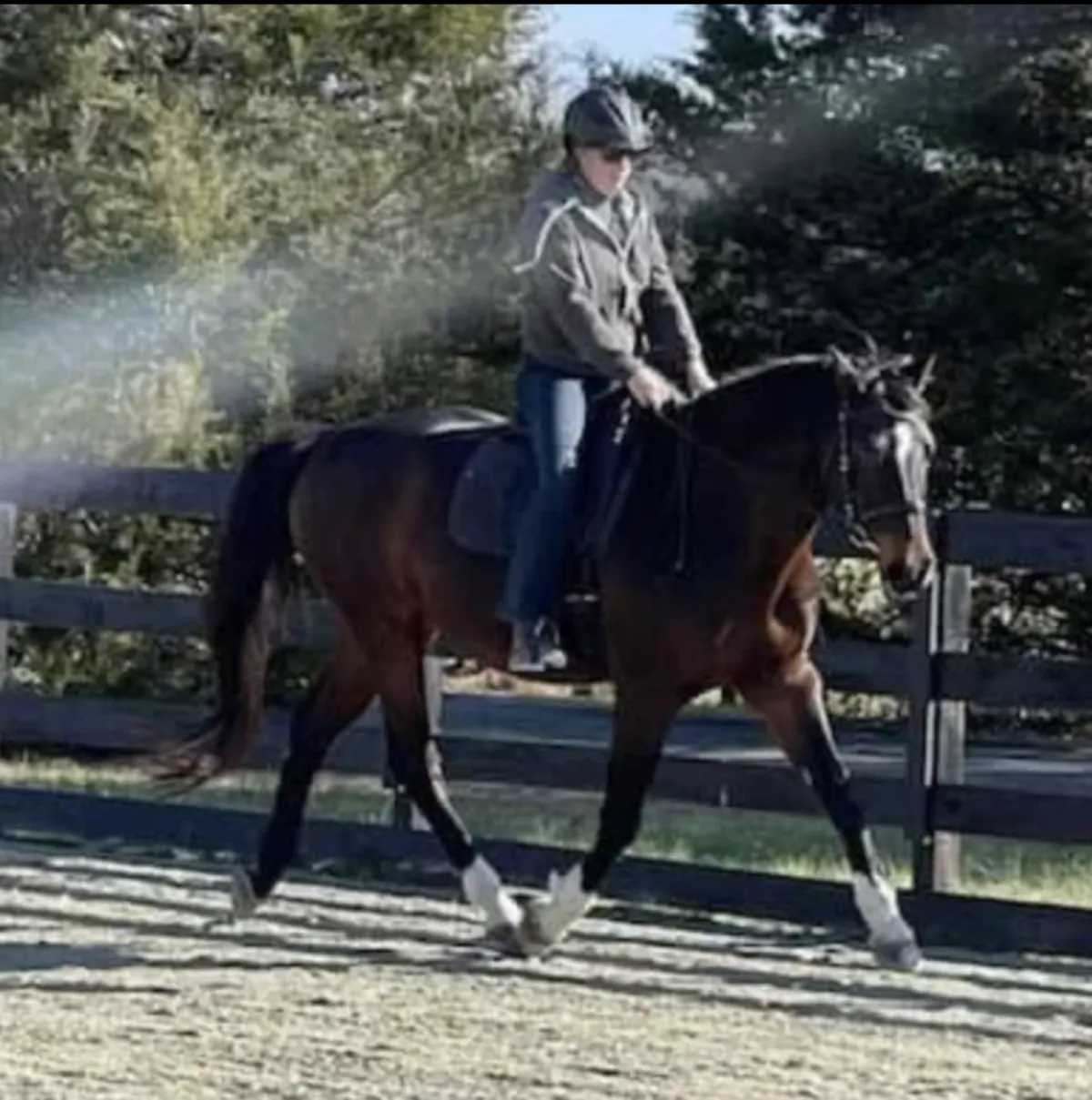
Ideally, if a lame horse is improving, they are becoming less lame—more sound. This may look like less head bobbing, more even weight-bearing through all four legs, or smoother movement overall. On a deeper level, improvement may appear as increased suppleness. True suppleness, however, only develops when the horse has stability, good mobility, body awareness, and the ability to organize the body well enough to become genuinely flexible.
Another sign of improving soundness is the horse’s mental state. A horse may shift from reactive or defensive behavior toward calmness, and eventually even a sense of serenity or confidence. An improved quality of life and mental outlook are powerful indicators that the horse is becoming more comfortable in its body.
Where things become complicated is that many therapies can provide comfort without actually improving soundness.
A joint injection, for example, may relieve pain but does not necessarily restore true soundness to the joint or body. Even bodywork can create temporary relief without improving long-term quality of life if the underlying causes of lameness—or the horse’s lifestyle—are not addressed. In these situations, the horse may appear “better” without actually becoming more sound.
So how do we tell the difference?
First, we must recognize that soundness is not identical for every horse. A two-year-old should ideally possess a different level of soundness than a twenty-year-old. Likewise, improvement in a horse with significant wear and tear will look very different from recovery in a horse healing from an acute injury.
One important marker of soundness is whether the horse can manage himself through the gaits—within reason—without constant intervention. Some horses, for example, may be comfortable and sound at the walk and trot but find the canter too concussive. That can still represent a reasonable level of soundness for that individual. This does not mean that therapies will never be useful, but they should not be required simply to hold the horse together at a basic level.
Perhaps the most important marker of all is the horse’s mental state. Is the horse truly happy, or merely functioning?
That, to me, is the real sign of “getting better.”
Not every horse will be sound for every purpose. Some horses may be perfectly content working only at the walk, or at the walk and trot. For others, soundness may mean a different kind of work altogether. What matters most is that the horse is mentally comfortable and able to live and move without distress. In the end, a horse’s degree of soundness must be considered in light of the individual horse—their age, history, and needs.

GIVE YOU AND YOUR HORSE A PATH FOR DEVELOPING QUALITY HORSEMANSHIP.
© 2024 Amy Skinner Horsemanship. All Rights Reserved.