BLOG
Seeking Harmony
If we seek control, we will be shown just how much we do not have it.
If we seek harmony within the natural world, we will surely find it.
A student asked me recently about a horse’s behavior on a cold, windy morning. We were riding much earlier than normal, and the weather was brisk. She was feisty and energetic.
“Shouldn’t this work make a horse reliable?” he asked me.
It’s a very valid question. Good work should make a horse more consistent, but at the end of the day, a horse is still a horse, governed by natural principles far more deeply rooted than human desire can ever fully reach.
Heat cycles, weather, the strong need for safety and security, the need for a herd, their natural psychology — these things can never truly be overridden. Yet surely we try, and we are constantly sold methods and products that promise to do that.
We use medications to interfere with cycles. We carefully manage turnout and herd dynamics. We use artificial lighting to prevent winter hair growth. We create all kinds of systems we believe are clever enough to make horses more predictable, more manageable, more convenient for human expectations. We see and practice training methods that promise obedience with just a few simple, repeated steps.
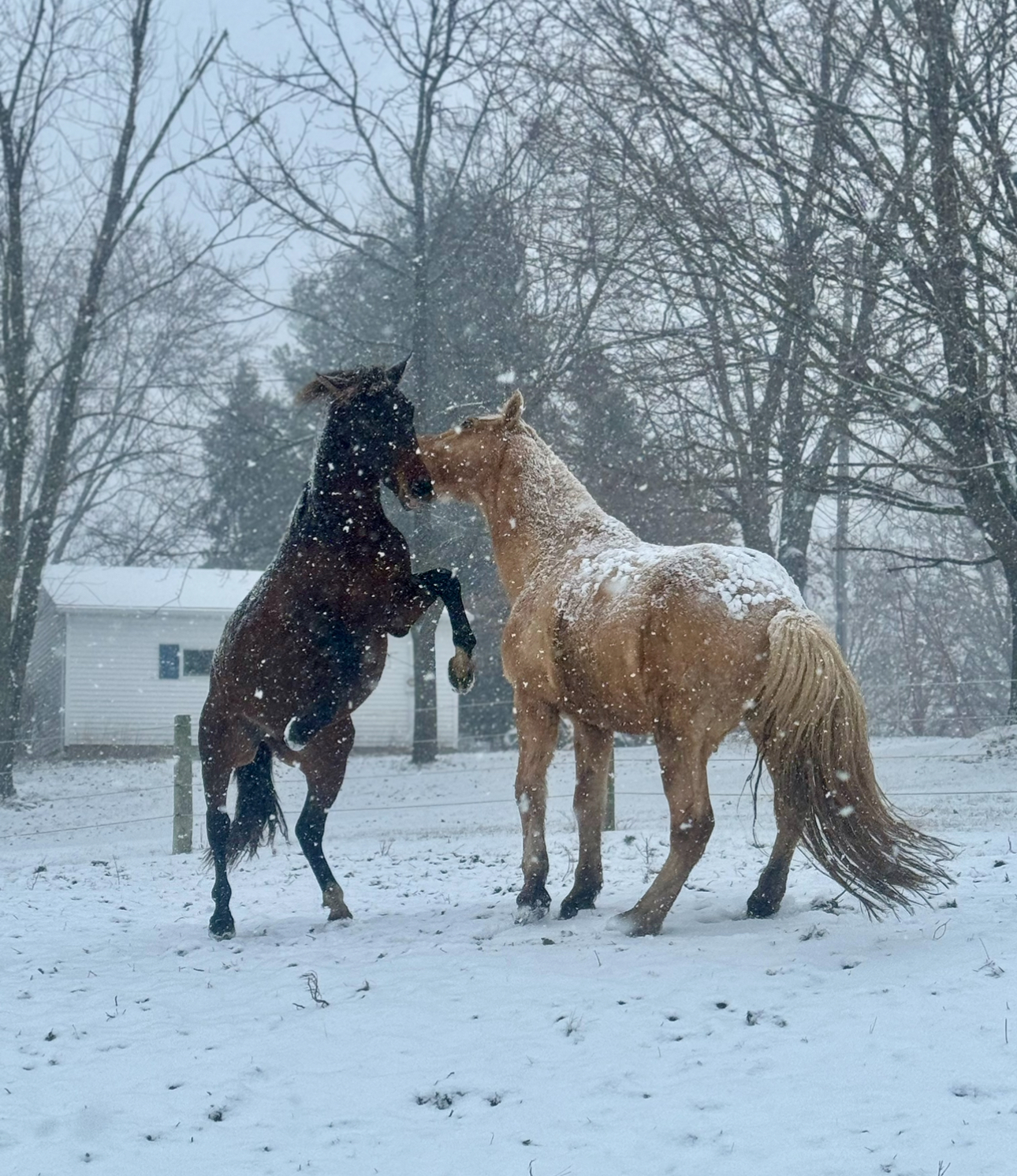
But these instincts are ancient, strong, and beautiful. They can be suppressed, but never completely eradicated. They burrow underground and emerge elsewhere — in tension, anxiety, explosiveness, shutdown, illness, or quiet unhappiness.
Nothing is truly under our control.
We can work within the nature of the horse. We can help them feel secure with us. We can make their bodies feel balanced and comfortable beneath the rider. We can provide consistency, clarity, and emotional steadiness so they reliably seek the same place within us day after day.
But true horsemanship is not the art of overpowering a horse’s nature.
It is the art of understanding it so deeply that we learn to move within it.
We study their instincts, sensitivities, rhythms, and desires for safety and connection until our timing, energy, and expectations begin harmonizing with theirs instead of constantly opposing them. A good horseman does not force a horse to stop being a horse. He learns how to blend into the horse’s nature so the horse no longer feels trapped in a battle against him.
We can guide a horse, influence them, support them. But we can never replace the instincts nature placed there, and it would be folly to believe a single human could ever replace a horse’s need for a herd.
And perhaps this is part of what horses are here to teach us.
If we truly love horses — and not merely the illusion of power and control we are so often tempted by — then why would we wish to strip away the very thing they have symbolized to humanity for centuries?
Freedom. Wildness. Life lived honestly within nature itself.
Perhaps what draws us to horses so deeply is not our desire to dominate nature, but our longing to return to it ourselves.
A horse reminds us that we are natural beings too, with rhythms and cycles dictated not entirely by us, but by something much larger than ourselves. We are not separate from nature, nor masters over it. We are part of it.
We can either move within that greater current, or spend our lives exhausted from fighting against it — grasping desperately for small fistfuls of control that inevitably crumble in our hands.

GIVE YOU AND YOUR HORSE A PATH FOR DEVELOPING QUALITY HORSEMANSHIP.
© 2024 Amy Skinner Horsemanship. All Rights Reserved.