BLOG
Looking Inward to Go Forward
Looking Inward to Go Forward
A student of mine had a decent education. He knew all about the nervous system and could recite plenty of biomechanical terms. In our lessons, he would tell me he was choosing to pause when the horse was “over threshold” to allow him to down-regulate, or that the horse needed a slower jog than I had recommended to induce relaxation. He was fluent in the language of theory, but the irony was that his horse was neither relaxed nor balanced.
In an effort to produce relaxtion, he kept the horse’s movement so slow, and stopped at any perceived upset, that he created a bottled up, crooked, and painfully under-tempo horse. This horse would come unglued at the canter and rush frantically if asked to trot at any pace beyond a cripplingly slow jog.
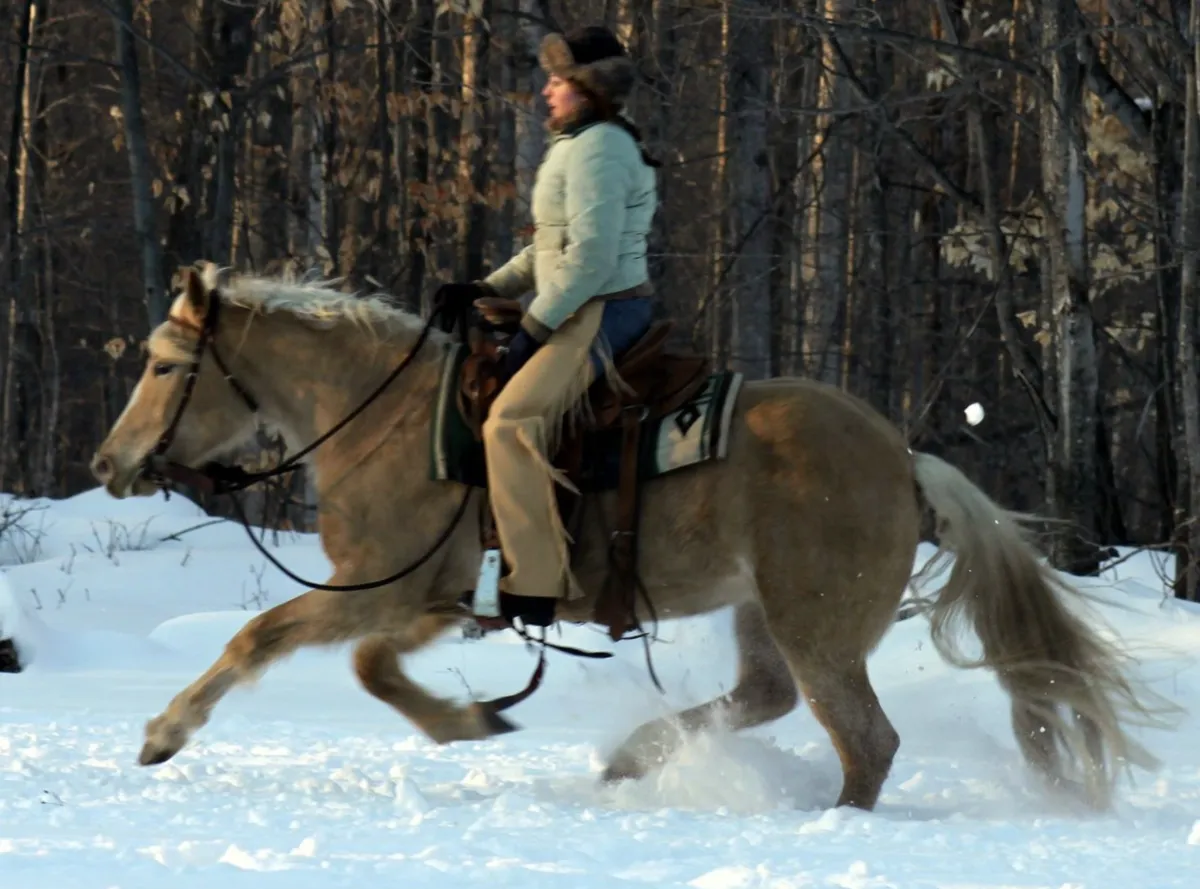
I rode the horse to show him the difference between true relaxation, which includes awareness of the environment and acceptance, and avoidance. A horse in a state of mental molasses is not relaxed if they are not registering the world around them - they are avoiding it. I showed him the difference between going slow for the sake of slow, and a true two beat trot. The horse came alive: blowing out, sneezing, and, for the first time, moving in soundness. The difference was night and day.
And yet, the student insisted the horse was over threshold, even though there were no signs of fear. It was then we stepped into something deeper: his fear of going forward came into view. His attempt to preserve his own sense of safety—his own window of tolerance—had been disguised as moral high ground. It is far safer to sound as though you are protecting the horse than to admit you are afraid.
I say this not to shame, but to point to the complexity of learning. What’s on the other end of the reins determines the horse’s outcome and safety as well. If we cannot look inward without shame, the horse will be stifled. But if we can tease out the truth, if we can see see what lies beneath and name it without judgment—we begin the path toward freedom, for both horse and rider
Naming fear is powerful. Fear sheds light on what is missing, and once we know what is missing, we can begin to fill the gap. There is no human being alive without some tender place covered by a story—a form of self protection that says, look anywhere but here. It compensates, it disguises, but the horse will always reflect the places we hide.
And what an opportunity that is: to have something as honest as a horse show us the way inward, and, in doing so, forward.

GIVE YOU AND YOUR HORSE A PATH FOR DEVELOPING QUALITY HORSEMANSHIP.
© 2024 Amy Skinner Horsemanship. All Rights Reserved.